
The best place to find Affordable homes in Abuja

We are recognized for exceeding client expectations and
delivering great results through dedication and ease of process.

We provide Top Real Estate services

Real Estate

We provide our clients best offers on homes and offices at amazing prices with prompt delivery. Our hundreds of clients is testament to this fact.

Facility Management

You can trust us for the proper management and maintenance of your home and office properties with state of the art facilities.

Construction

We handle Building and project development from construction to final phase

Latest Properties

3 Bedroom
Block of Flats and BQ

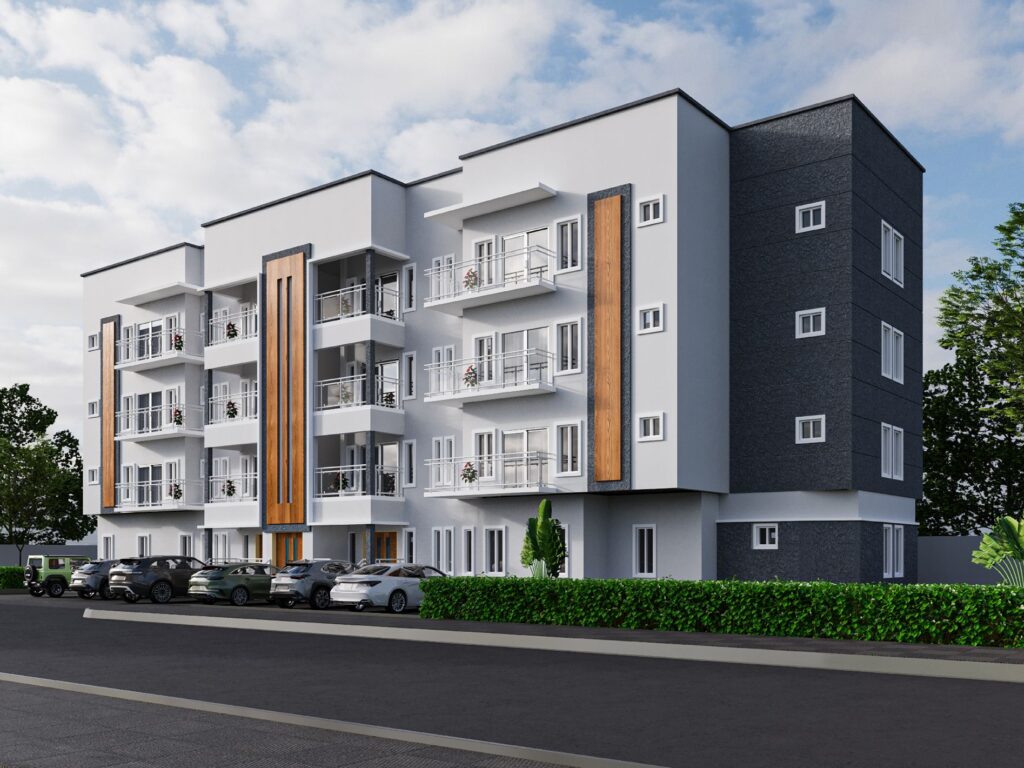
Welcome to this exquisite 3-bedroom apartment, ideally situated in the serene and secure neighborhood of Mabushi, Abuja.

Duplexes

Terraces

Office Spaces

Flats

We are the top real estate agency in F.C.T

For any type of Investment into real estate in Abuja, We are your number one trusted company.

Get rich from Real Estate Investments

Do you need affordable and quality homes for personal or commercial purposes?

Latest News on the Blog

Is buying an Off-plan property a risky move in Nigeria?

Off-plan Property is Becoming increasingly popular in Nigeria but is it worth it? Investing in real estate is one of the most reliable ways to build wealth in Nigeria. However, as property prices in prime locations continue to skyrocket, a specific investment strategy is taking center stage: off-plan property sales. If you’ve spent any time browsing real estate listings in Lagos or Abuja recently, you’ve likely seen these offers. They promise luxury builds at surprisingly affordable rates. But it leaves many investors asking a critical question: Is buying off-plan a smart financial move, or are you just buying a digital rendering of a dream? Let’s break down exactly what off-plan investing means, the hidden risks you need to watch out for, and how to safely secure your returns. What is Off-Plan Property? Put simply, buying an off-plan property means purchasing a home, apartment, or commercial space before it is completely built. In many cases, construction hasn’t even broken ground yet. You are buying into the developer’s vision, architectural blueprints, and 3D designs. In exchange for your early commitment and trust, developers offer these properties at a fraction of their future market value. The Benefits of Off-Plan Real Estate Investment Why are savvy Nigerian investors flocking to uncompleted buildings? It boils down to three primary financial advantages: 1. Below-Market Purchase Prices Developers need upfront capital to fund construction without relying solely on high-interest bank loans. To attract early buyers, they offer heavy discounts. Buying off-plan allows you to secure a property at its lowest possible price point. 2. Flexible Payment Plans Unlike buying a fully finished home, which usually requires a massive lump-sum payment, off-plan sales typically offer structured milestone payments. You can drop an initial deposit (often 10% to 30%) and spread the remaining balance over 12 to 24 months as construction progresses. 3. Maximum Capital Appreciation Real estate grows in value over time, but off-plan properties experience a double injection of equity. You benefit from natural market growth plus the value added simply by completing the building. By the time the developer hands over the keys, your property is often worth 20% to 40% more than what you paid for it. The Risks: What Developers Don’t Tell You While the upside is massive, off-plan investing isn’t without its pitfalls. If you go in blind, you risk losing your hard-earned capital. Your Checklist for Staying Safe Before Investing: You don’t need to avoid off-plan properties altogether; you just need to do your homework. Treat this four-step checklist as your shield: 1. Audit the Developer’s Track Record Never be a developer’s first guinea pig. Ask to see their completed projects. Visit those sites physically if you can. Did they deliver on time? Are the buildings structurally sound? 2. Demand a “Deed of Assignment” and Approved Plans Ensure the developer actually owns the land and has valid government approvals (like a Certificate of Occupancy or Governor’s Consent) and building permits. Without these, the government can halt construction or demolish the structure later. 3. Bind Them to a Strict Timeline Ensure your contract explicitly states the delivery date and includes a penalty clause. If the developer delays delivery past the agreed deadline, they should owe you a monthly or quarterly financial refund. [If you do a full payment.] Off-plan real estate investments can yield massive profit margins, especially if you target fast-growing, high-demand areas like Abuja or the Lekki-Epe corridor in Lagos.  The trick isn’t finding the prettiest design; it’s finding the most trustworthy developer. Protect your capital, do your due diligence, and off-plan properties can easily become the most lucrative asset in your investment portfolio.

Read More »

The Ultimate Guide to Buying Property in Nigeria

Buying property in Nigeria is both an opportunity and a challenge. The country’s growing population, expanding cities, and rising housing demand make real estate one of the most attractive investment options available today. At the same time, unclear land ownership systems, fraudulent sellers, and inconsistent documentation mean that buyers must proceed carefully. This guide is designed to help you understand how property ownership works in Nigeria, what to look out for, and how to protect your investment every step of the way. Understanding Property Ownership in Nigeria Property ownership in Nigeria operates under a unique legal framework. The Land Use Act of 1978 vests ownership of all land in each state in the hands of the governor, who holds it in trust for the people. In practical terms, this means that individuals and businesses do not own land outright but instead hold rights to occupy and use land for a specified period. For buyers, this legal structure makes documentation extremely important. Ownership is proven not by physical possession alone but by legally recognized titles and approvals. Anyone looking to buy property in Nigeria must understand these legal foundations before committing money to a transaction. Types of Property Buyers Commonly Purchase Property buyers in Nigeria typically choose between land, residential buildings, and commercial properties. Land is often the most affordable entry point and appeals to long-term investors who are willing to wait for appreciation. Residential properties such as apartments, terraces, and detached houses are popular both for personal use and rental income. Commercial properties, including office spaces and retail outlets, usually require higher capital but can offer more stable cash flow when located in strong business areas. Off‑plan properties have also become common, particularly in Lagos and Abuja. These are properties purchased before construction is completed. While they are often cheaper, they require extra caution, as the buyer is relying heavily on the credibility of the developer. The Importance of Land Titles and Documentation One of the most critical aspects of buying property in Nigeria is verifying the land title. A Certificate of Occupancy is widely regarded as the strongest and safest title, as it is issued directly by the state government. Other important documents include the Governor’s Consent, which is required when land is transferred from one owner to another, and the Deed of Assignment, which records the transfer of rights between buyer and seller. Problems arise when buyers rely on receipts or verbal assurances as proof of ownership. These are not sufficient under Nigerian law. Any serious buyer must conduct a search at the state land registry to confirm that the property is not under government acquisition, dispute, or existing encumbrance. This single step prevents the majority of property-related losses in Nigeria. Choosing the Right Location Location remains one of the most influential factors in the value of property in Nigeria. Urban centers like Lagos and Abuja continue to attract buyers because of infrastructure development, job opportunities, and population growth. Areas experiencing rapid expansion, improved road networks, or new commercial activity often see significant appreciation over time. Beyond city names, buyers should evaluate access roads, drainage systems, security, and proximity to essential services. A property in a well-planned, accessible area will almost always outperform a cheaper option in a neglected location, no matter how attractive the price appears initially. The Buying Process Explained The process of buying property in Nigeria begins with defining your purpose clearly. Whether the property is intended for residence, rental income, or future resale will influence the type of property and location you choose. Once a property is identified, verification must come before payment. This includes confirming ownership, inspecting the property physically, and verifying all documents with the appropriate government authorities. After successful verification, negotiations take place, followed by payment through traceable means. Proper documentation is then prepared by a lawyer, and the transaction is finalized through registration and government consent. While this process can take time, skipping or rushing steps often leads to serious complications later. Buying Property as a Nigerian in the Diaspora or a Foreigner Many Nigerians living abroad successfully invest in property back home, but distance increases risk. Buyers in the diaspora must be especially careful about whom they trust. Power of Attorney is commonly used to authorize a representative to act on the buyer’s behalf, but legal oversight remains essential. Foreigners can also purchase property in Nigeria, usually through leasehold arrangements rather than outright ownership. All such transactions must comply with state laws, and professional legal guidance is strongly recommended to avoid invalid agreements. Avoiding Common Pitfalls and Scams Property scams are unfortunately common in Nigeria, particularly involving fake owners, multiple sales of the same land, or disputes with local land-owning families. Buyers who fail to conduct independent verification or who rely solely on agents are most vulnerable. Working with licensed professionals, insisting on proper documentation, and refusing to make rushed payments significantly reduces risk. Cheap land without a verified title is rarely a bargain. In most cases, the cost saved upfront is later lost many times over in legal fees or outright forfeiture. Buying property in Nigeria can be one of the smartest financial decisions you make, provided it is approached with patience, knowledge, and professional support. The opportunities are real, but so are the risks. Understanding land laws, verifying titles, choosing the right location, and following proper legal procedures are not optional; they are essential. A well-bought property offers security, steady income, and long-term growth. In Nigerian real estate, informed buyers are rewarded, while careless ones pay the price. If you take the time to do things properly, property ownership in Nigeria can be both safe and highly profitable.

Read More »